Tamil Food Vocabulary: Essential Words for Food Lovers, Travelers, and Language Learners
Introduction
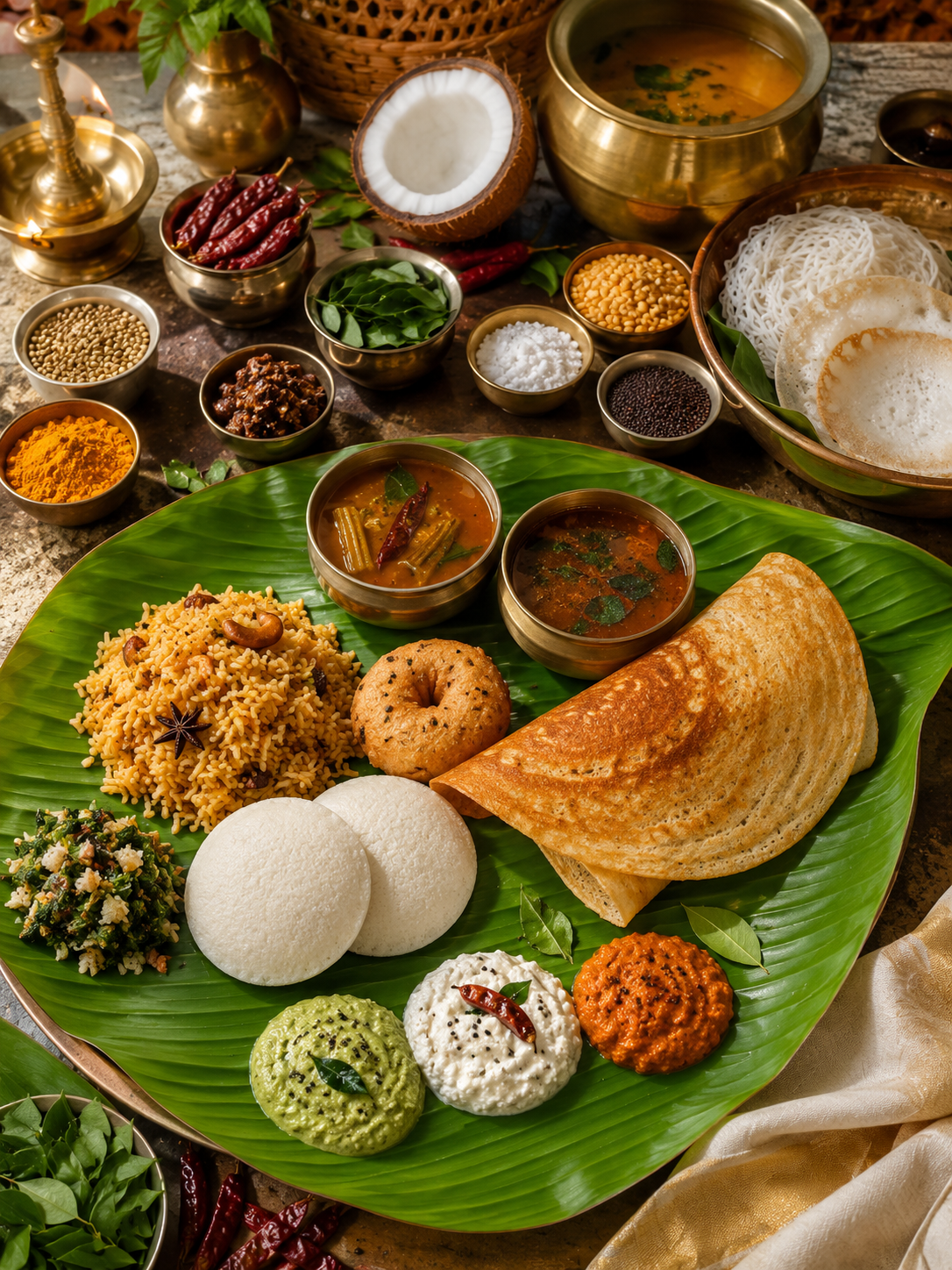
Tamil food is rich, colorful, and deeply connected to culture, family, festivals, and everyday life. Whether you are visiting Tamil Nadu, Sri Lanka, Malaysia, Singapore, or simply enjoying South Indian food at a local restaurant, knowing a few Tamil food words can make the experience more meaningful. Tamil food vocabulary helps you understand menus, ask for ingredients, describe taste, and appreciate traditional dishes with more confidence.
Tamil is one of the world’s oldest living classical languages, and food words in Tamil often carry cultural meaning beyond their direct translation. A simple word like சோறு (sōru) means cooked rice, but in many Tamil-speaking homes, it can also refer to a full meal. Likewise, குழம்பு (kuḻambu) is not just “curry”; it usually refers to a flavorful gravy or stew eaten with rice.
This guide introduces useful Tamil food vocabulary in English, including common dishes, ingredients, taste words, cooking methods, meal-related terms, and helpful phrases for ordering food. The Tamil words are shown in Tamil script, followed by simple pronunciation guidance and English meanings.
Basic Tamil Food Words
Here are some everyday Tamil food words that are useful for beginners.
| Tamil Word | Pronunciation | English Meaning |
|---|---|---|
| உணவு | uṇavu | Food |
| சாப்பாடு | sāppāḍu | Meal / food |
| சோறு | sōru | Cooked rice |
| தண்ணீர் | taṇṇīr | Water |
| பால் | pāl | Milk |
| தயிர் | tayir | Curd / yogurt |
| கஞ்சி | kañji | Rice porridge / gruel |
| கறி | kaṟi | Curry / meat curry / side dish |
| குழம்பு | kuḻambu | Gravy curry / stew |
| பொரியல் | poriyal | Stir-fried vegetable dish |
| கூட்டு | kūṭṭu | Lentil and vegetable curry |
| ரசம் | rasam | Spicy tamarind soup |
| சாம்பார் | sāmbār | Lentil and vegetable stew |
In Tamil homes, rice is often the center of the meal. Many traditional dishes are designed to be mixed with rice, such as சாம்பார் (sāmbār), ரசம் (rasam), குழம்பு (kuḻambu), and தயிர் (tayir).
Common Tamil Meal Words
Tamil meals are usually described according to the time of day or the type of food served. These words are helpful when talking about breakfast, lunch, dinner, or snacks.
| Tamil Word | Pronunciation | English Meaning |
| காலை உணவு | kālai uṇavu | Breakfast |
| மதிய உணவு | madiya uṇavu | Lunch |
| இரவு உணவு | iravu uṇavu | Dinner |
| சிற்றுண்டி | siṟṟuṇḍi | Snack / light meal |
| விருந்து | virundu | Feast / special meal |
| இனிப்பு | iṉippu | Sweet / dessert |
| பானம் | pāṉam | Drink / beverage |
| சைவம் | saivam | Vegetarian food |
| அசைவம் | asaivam | Non-vegetarian food |
A traditional Tamil feast is often called விருந்து (virundu). During festivals, weddings, and religious events, food may be served on a banana leaf. This style of serving is common in Tamil culture and is closely connected with hospitality.
Popular Tamil Breakfast Foods
Tamil cuisine is famous for breakfast dishes made with rice, lentils, coconut, and spices. Many of these foods are popular around the world.
| Tamil Word | Pronunciation | English Meaning |
| இட்லி | iṭli | Idli, steamed rice cake |
| தோசை | tōsai | Dosa, thin rice-lentil crepe |
| உப்புமா | uppumā | Upma, savory semolina dish |
| பொங்கல் | poṅgal | Pongal, rice and lentil dish |
| இடியாப்பம் | iḍiyāppam | String hoppers |
| ஆப்பம் | āppam | Appam, soft bowl-shaped pancake |
| புட்டு | puṭṭu | Steamed rice flour and coconut dish |
| சப்பாத்தி | cappātti | Chapati / flatbread |
| பரோட்டா | parōṭṭā | Parotta, layered flatbread |
இட்லி (iṭli) is soft, steamed, and usually eaten with chutney and sambar. தோசை (tōsai) can be plain, crispy, soft, or filled with potato masala. பொங்கல் (poṅgal) is often served warm with coconut chutney and vadai. In Sri Lankan Tamil food culture, dishes like இடியாப்பம் (iḍiyāppam) and புட்டு (puṭṭu) are also very common.
Rice and Grain Vocabulary
Rice is central to Tamil food vocabulary. Different rice-based dishes have different names depending on preparation, flavor, and ingredients.
| Tamil Word | Pronunciation | English Meaning |
| அரிசி | arisi | Raw rice |
| சோறு | sōru | Cooked rice |
| சாதம் | sātam | Rice dish / cooked rice |
| தயிர் சாதம் | tayir sātam | Curd rice |
| எலுமிச்சை சாதம் | elumiccai sātam | Lemon rice |
| தக்காளி சாதம் | takkāḷi sātam | Tomato rice |
| தேங்காய் சாதம் | tēṅkāy sātam | Coconut rice |
| பிரியாணி | biriyāṇi | Biryani |
| கஞ்சி | kañji | Porridge / gruel |
The word சாதம் (sātam) is often used for prepared rice dishes, such as lemon rice, tomato rice, or curd rice. அரிசி (arisi) refers to uncooked rice, while சோறு (sōru) means cooked rice.
Curry, Gravy, and Side Dish Words
Tamil cuisine includes many kinds of curries, gravies, and side dishes. Some are watery and light, while others are thick, spicy, and rich.
| Tamil Word | Pronunciation | English Meaning |
| குழம்பு | kuḻambu | Curry gravy / stew |
| சாம்பார் | sāmbār | Lentil and vegetable stew |
| ரசம் | rasam | Pepper-tamarind soup |
| கூட்டு | kūṭṭu | Lentil and vegetable curry |
| பொரியல் | poriyal | Stir-fried vegetable dish |
| அவியல் | aviyal | Mixed vegetable coconut curry |
| மசாலா | masālā | Spice mixture / masala |
| சட்னி | caṭṉi | Chutney |
| துவையல் | tuvaiyal | Thick chutney / relish |
| ஊறுகாய் | ūṟukāy | Pickle |
குழம்பு (kuḻambu) is one of the most important Tamil food words. It can describe many gravy-based dishes, often made with tamarind, spices, vegetables, fish, meat, or legumes. பொரியல் (poriyal) usually refers to vegetables stir-fried with coconut, mustard seeds, curry leaves, and spices.
Vegetable Names in Tamil
Knowing vegetable names is useful when reading menus, shopping in markets, or cooking Tamil recipes.
| Tamil Word | Pronunciation | English Meaning |
| காய்கறி | kāykaṟi | Vegetable |
| வெங்காயம் | veṅkāyam | Onion |
| தக்காளி | takkāḷi | Tomato |
| உருளைக்கிழங்கு | uruḷaikkiḻaṅgu | Potato |
| கத்தரிக்காய் | kattarikkāy | Eggplant / brinjal |
| முருங்கைக்காய் | muruṅgaikkāy | Drumstick / moringa pod |
| பாகற்காய் | pākaṟkāy | Bitter gourd |
| பூசணிக்காய் | pūsaṇikkāy | Pumpkin / ash gourd, depending on usage |
| வெண்டைக்காய் | veṇṭaikkāy | Okra / ladies’ fingers |
| காரட் | kāraṭ | Carrot |
| பீன்ஸ் | pīṉs | Beans |
| முட்டைக்கோஸ் | muṭṭaikkōs | Cabbage |
Vegetable names often end with காய் (kāy), which can mean vegetable, fruit, or unripe produce depending on the word. For example, கத்தரிக்காய் (kattarikkāy) means eggplant, and வெண்டைக்காய் (veṇṭaikkāy) means okra.
Spices and Flavoring Ingredients
Tamil cooking uses spices, herbs, and aromatics to create deep flavor. Here are some common spice words.
| Tamil Word | Pronunciation | English Meaning |
| மிளகு | miḷagu | Black pepper |
| மிளகாய் | miḷakāy | Chili |
| உப்பு | uppu | Salt |
| மஞ்சள் | mañcaḷ | Turmeric |
| சீரகம் | cīrakam | Cumin |
| கடுகு | kaṭugu | Mustard seeds |
| வெந்தயம் | ventayam | Fenugreek |
| பெருங்காயம் | peruṅkāyam | Asafoetida |
| கறிவேப்பிலை | kaṟivēppilai | Curry leaves |
| கொத்தமல்லி | kottamalli | Coriander / cilantro |
| இஞ்சி | iñci | Ginger |
| பூண்டு | pūṇṭu | Garlic |
| தேங்காய் | tēṅkāy | Coconut |
| புளி | puḷi | Tamarind |
Tamil food often balances heat, sourness, saltiness, and aroma. புளி (puḷi) gives sourness to dishes like kuḻambu and rasam. கறிவேப்பிலை (kaṟivēppilai) is an essential herb in many Tamil dishes, especially when tempering oil with mustard seeds and spices.
Taste Words in Tamil
These words help you describe how food tastes.
| Tamil Word | Pronunciation | English Meaning |
| இனிப்பு | iṉippu | Sweet |
| காரம் | kāram | Spicy / hot |
| உப்பு | uppu | Salty / salt |
| புளிப்பு | puḷippu | Sour |
| கசப்பு | kasappu | Bitter |
| சுவை | suvai | Taste / flavor |
| ருசி | ruci | Taste / deliciousness |
| மணம் | maṇam | Aroma / smell |
| சூடு | sūḍu | Hot temperature |
| குளிர் | kuḷir | Cool / cold |
If a dish is very tasty, you can say ரொம்ப ருசியாக இருக்கு (romba ruciyāka irukku), meaning “It is very tasty.” If it is too spicy, you can say ரொம்ப காரம் (romba kāram), meaning “very spicy.”
Cooking Method Vocabulary
Tamil recipes often use specific cooking words. These terms are helpful when following cooking videos, recipes, or family instructions.
| Tamil Word | Pronunciation | English Meaning |
| சமைக்க | samaikka | To cook |
| வேகவைக்க | vēkavaikka | To boil / cook through |
| வறுக்க | vaṟukka | To fry / roast |
| பொரிக்க | porikka | To deep fry |
| அரைக்க | araikka | To grind |
| கலக்க | kalakka | To mix |
| நறுக்க | naṟukka | To chop |
| ஊறவைக்க | ūṟavaikka | To soak / marinate |
| சேர்க்க | cērkka | To add |
| கிளற | kiḷaṟa | To stir |
| பரிமாற | parimāṟa | To serve |
For example, a recipe may say மசாலாவை அரைக்கவும் (masālāvai araikkavum), meaning “grind the masala.” Another common phrase is நன்றாக கிளறவும் (naṉṟāka kiḷaṟavum), meaning “stir well.”
Meat, Fish, and Protein Words
Tamil food includes both vegetarian and non-vegetarian traditions. The words சைவம் (saivam) and அசைவம் (asaivam) are very important when ordering food.
| Tamil Word | Pronunciation | English Meaning |
| முட்டை | muṭṭai | Egg |
| கோழி | kōḻi | Chicken |
| ஆட்டிறைச்சி | āṭṭiṟaicci | Mutton / goat meat |
| மாட்டிறைச்சி | māṭṭiṟaicci | Beef |
| மீன் | mīn | Fish |
| இறால் | iṟāl | Prawn / shrimp |
| நண்டு | naṇṭu | Crab |
| பருப்பு | paruppu | Lentils / dhal |
| கடலை | kaṭalai | Chickpea / gram / peanut, depending on context |
| பயறு | payaṟu | Legume / bean |
In many Tamil restaurants, you may see phrases like கோழி கறி (kōḻi kaṟi) for chicken curry, மீன் குழம்பு (mīn kuḻambu) for fish curry, and பருப்பு (paruppu) for dhal or lentils.
Fruit Names in Tamil
Fruit vocabulary is useful in markets, homes, and dessert menus.
| Tamil Word | Pronunciation | English Meaning |
| பழம் | paḻam | Fruit |
| வாழைப்பழம் | vāḻaippaḻam | Banana |
| மாம்பழம் | māmpaḻam | Mango |
| பலாப்பழம் | palāppaḻam | Jackfruit |
| திராட்சை | tirāṭcai | Grapes |
| ஆரஞ்சு | ārañcu | Orange |
| எலுமிச்சை | elumiccai | Lemon / lime |
| கொய்யாப்பழம் | koyyāppaḻam | Guava |
| அன்னாசி | annāci | Pineapple |
| மாதுளை | mātuḷai | Pomegranate |
The word பழம் (paḻam) means fruit. Tamil has a special sound represented by ழ (ḻ), which is different from a normal “l” sound. You will see it in words like வாழை (vāḻai) and பழம் (paḻam).
Sweets and Desserts
Tamil sweets are often prepared for festivals, religious offerings, family events, and celebrations.
| Tamil Word | Pronunciation | English Meaning |
| இனிப்பு | iṉippu | Sweet / dessert |
| பாயசம் | pāyasam | Sweet milk pudding / kheer |
| லட்டு | laṭṭu | Laddu |
| அல்வா | alvā | Halwa |
| பொங்கல் | poṅgal | Sweet or savory rice dish |
| அப்பம் | appam | Sweet fried cake, depending on context |
| கொழுக்கட்டை | koḻukkaṭṭai | Steamed rice dumpling |
பாயசம் (pāyasam) is one of the most common Tamil desserts. It is often made with milk, rice or vermicelli, sugar or jaggery, cardamom, and nuts. கொழுக்கட்டை (koḻukkaṭṭai) is especially associated with religious and festive occasions.
Drinks and Beverages
Here are common Tamil words for drinks.
| Tamil Word | Pronunciation | English Meaning |
| தண்ணீர் | taṇṇīr | Water |
| பால் | pāl | Milk |
| தேநீர் | tēnīr | Tea |
| காபி | kāpi | Coffee |
| மோர் | mōr | Buttermilk |
| இளநீர் | iḷanīr | Tender coconut water |
| பழச்சாறு | paḻaccāṟu | Fruit juice |
மோர் (mōr) is a cooling buttermilk drink, often seasoned with salt, curry leaves, ginger, or green chili. இளநீர் (iḷanīr) means tender coconut water, a refreshing drink common in tropical regions.
Useful Tamil Restaurant Phrases
These simple phrases are helpful when ordering food or speaking with Tamil speakers.
| Tamil Phrase | Pronunciation | English Meaning |
| எனக்கு சாப்பாடு வேண்டும் | eṉakku sāppāḍu vēṇṭum | I want food / a meal |
| தண்ணீர் வேண்டும் | taṇṇīr vēṇṭum | I want water |
| இது சைவமா? | itu saivamā? | Is this vegetarian? |
| இது அசைவமா? | itu asaivamā? | Is this non-vegetarian? |
| காரம் குறைவாக வேண்டும் | kāram kuṟaivāka vēṇṭum | I want less spice |
| ரொம்ப காரமா? | romba kāramā? | Is it very spicy? |
| இன்னும் கொஞ்சம் வேண்டும் | iṉṉum koñcam vēṇṭum | I want a little more |
| பில் கொடுக்கவும் | bil koṭukkavum | Please give the bill |
| நன்றி | naṉṟi | Thank you |
For a beginner, the most useful phrase may be காரம் குறைவாக வேண்டும் (kāram kuṟaivāka vēṇṭum), especially if you do not eat very spicy food. Another helpful phrase is இது சைவமா? (itu saivamā?), which means “Is this vegetarian?”
Tamil Food Vocabulary in Daily Life
Food vocabulary is not only useful in restaurants. It is also part of everyday Tamil conversation. Families may ask சாப்பிட்டீங்களா? (sāppiṭṭīṅgaḷā?), which means “Have you eaten?” This is a common caring expression, similar to asking if someone is well.
In Tamil culture, offering food is a sign of hospitality. Guests are often encouraged to eat more, and meals are shared generously. Words like சாப்பாடு (sāppāḍu), விருந்து (virundu), and ருசி (ruci) are part of both language and cultural warmth.
Learning Tamil food vocabulary also helps you understand regional differences. Tamil food in Tamil Nadu may use certain names differently from Sri Lankan Tamil food, Malaysian Tamil food, or Singapore Tamil food. For example, string hoppers are commonly known as இடியாப்பம் (iḍiyāppam), while some dishes may have local variations in spelling, pronunciation, or preparation.
Tips for Learning Tamil Food Words
The best way to learn Tamil food vocabulary is to connect each word with real food. Instead of memorizing long lists, start with the dishes you already know. If you eat idli, dosa, sambar, or rasam, learn the Tamil spelling and pronunciation of those words first.
You can also practice by reading restaurant menus, watching Tamil cooking videos, or labeling ingredients in your kitchen. For example, place Tamil labels on rice, salt, tamarind, turmeric, chili, coconut, and lentils. Repeating these words while cooking makes them easier to remember.
Another useful method is to learn food words by category: breakfast dishes, rice dishes, vegetables, spices, taste words, and cooking verbs. This makes the vocabulary practical and organized.
Conclusion
Tamil food vocabulary opens the door to a deeper understanding of Tamil cuisine and culture. From simple words like உணவு (uṇavu) and சோறு (sōru) to dish names like சாம்பார் (sāmbār), ரசம் (rasam), பொரியல் (poriyal), and குழம்பு (kuḻambu), each word helps you connect with the food more naturally.
Whether you are a traveler, language learner, food blogger, restaurant owner, or home cook, learning Tamil food words can improve your experience with Tamil cuisine. Start with the basics, practice pronunciation, and use the words whenever you order, cook, or talk about food. Over time, these words will become part of your everyday food language.
Related Vocabulary Topics to Explore
To continue learning, you may also explore related topics such as Tamil family relationship words, South Indian cuisine, Sri Lankan Tamil cuisine, and Tamil language basics.